Guide
Site diaries and forms that hold up
Record the day on the day, use the same forms on every job and get them to the office as soon as they are done. Good site records back up your claims, variations and safety records, and digital ones are easier to keep.
- Published
- Reading time
- 2 min read
The records a civil job runs on
Most civil jobs need some or all of these:
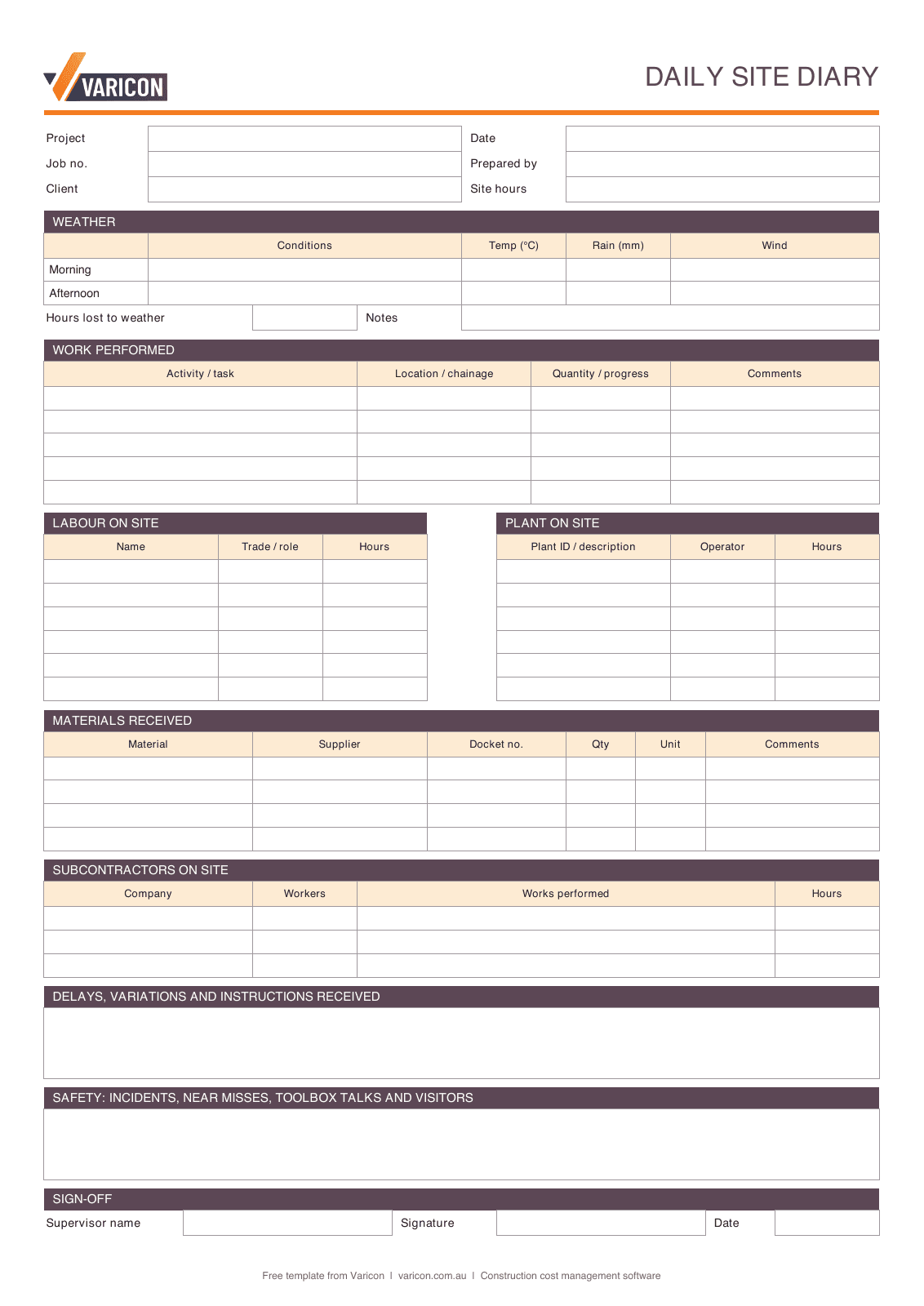
- a daily site diary
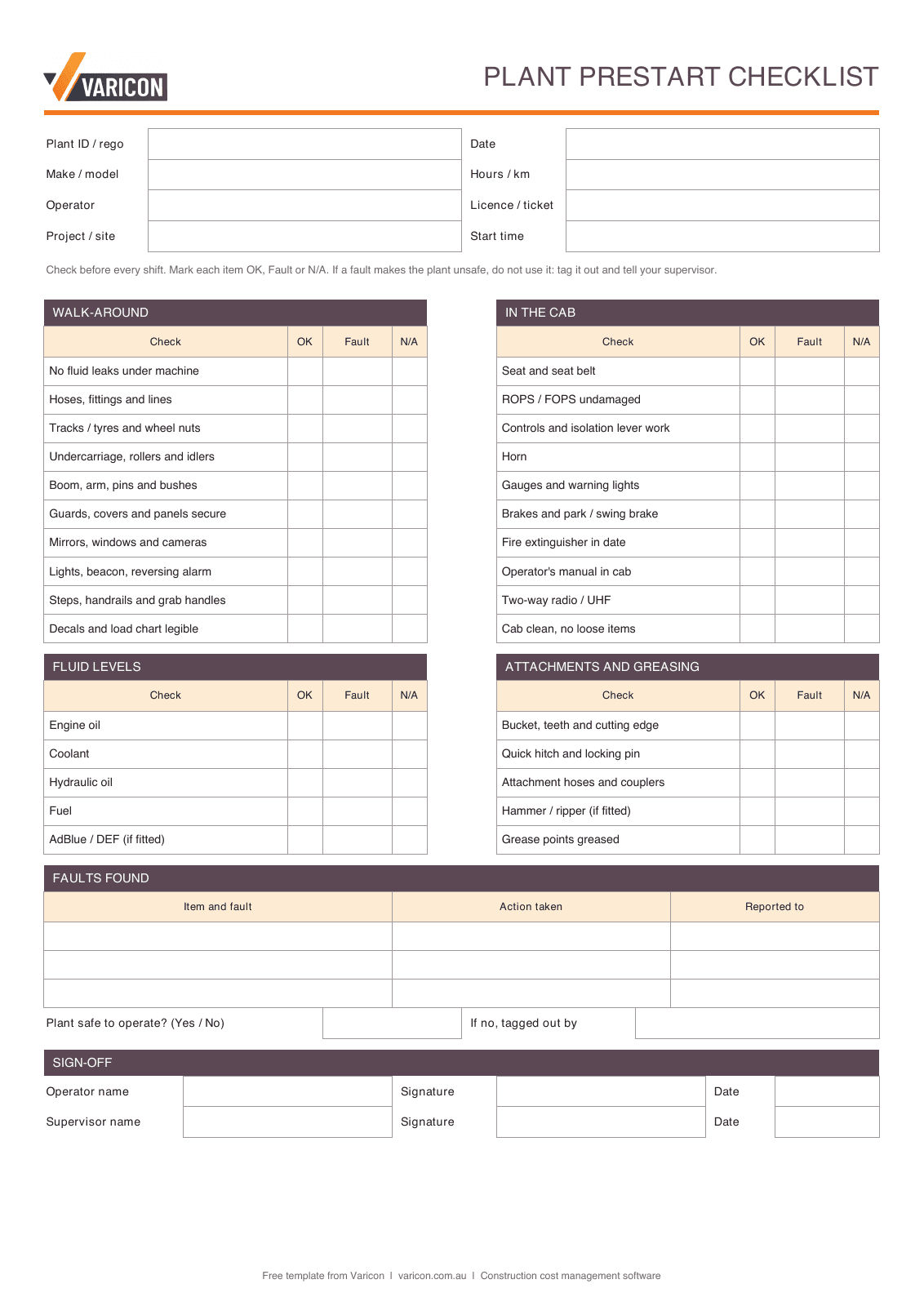
- equipment prestarts and daily prestarts
- toolbox talks and safety meetings
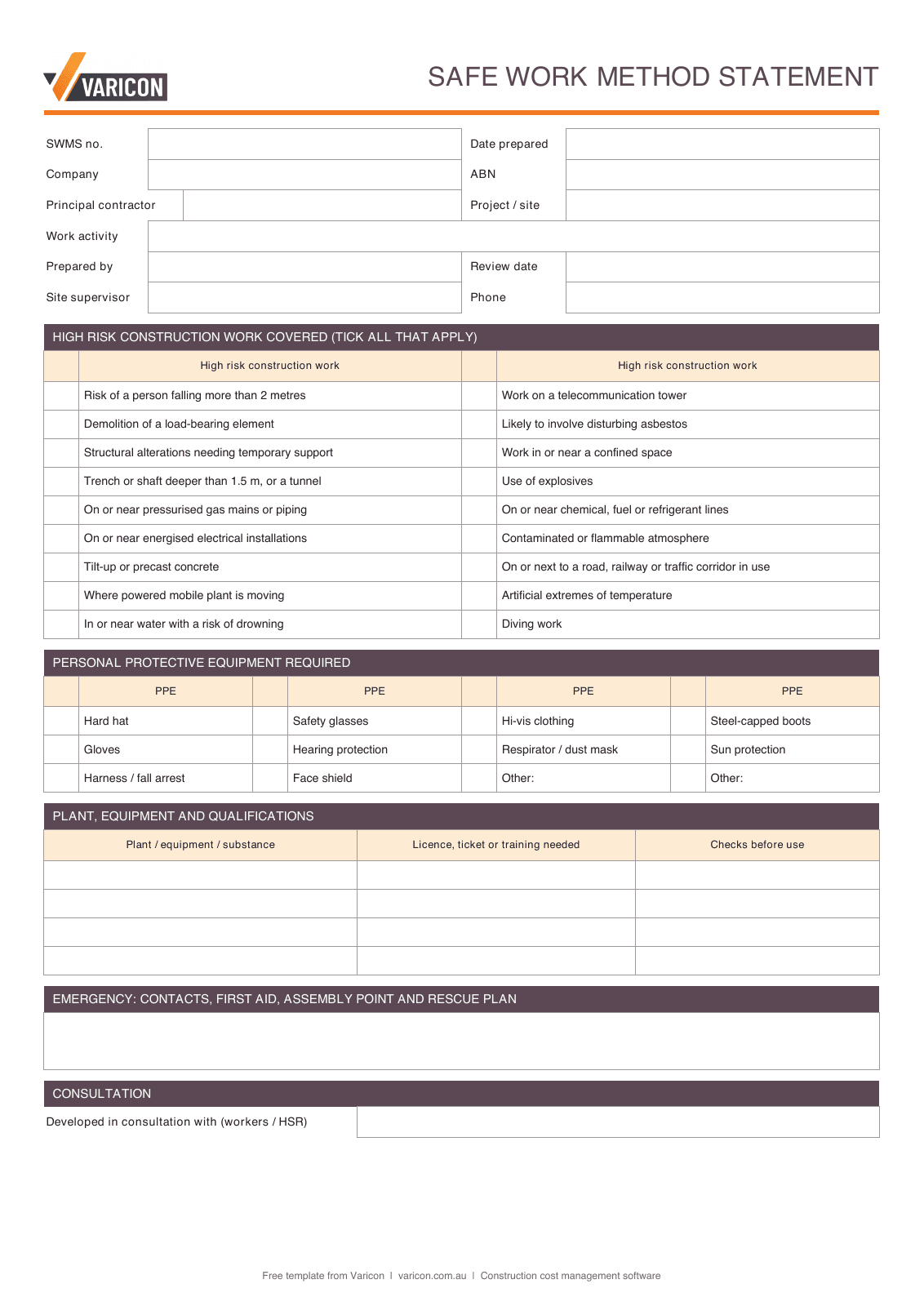
- safe work method statements (SWMS)
- site inductions for new workers
- incident and near miss reports
- QA inspection checklists and inspection and test plans
- safety audits
- site requests for resources, permits or approvals
- HR forms, such as leave requests.
Why paper records let you down
Paper forms get messy, lost and filled in late. They are hard to track, and someone in the office has to read them and type them into another system. The details that matter most in a dispute, a variation or an incident investigation are often the ones missing.
Step 1: write the site diary on the day
The site diary is the history of the job. Record the weather, the work done, labour and plant hours, deliveries, subcontractors, safety matters and anything that changed from the plans or the scope. Be specific, and add photos, docket numbers and names, so an entry is easy to check later.
Step 2: use the same form for the same job
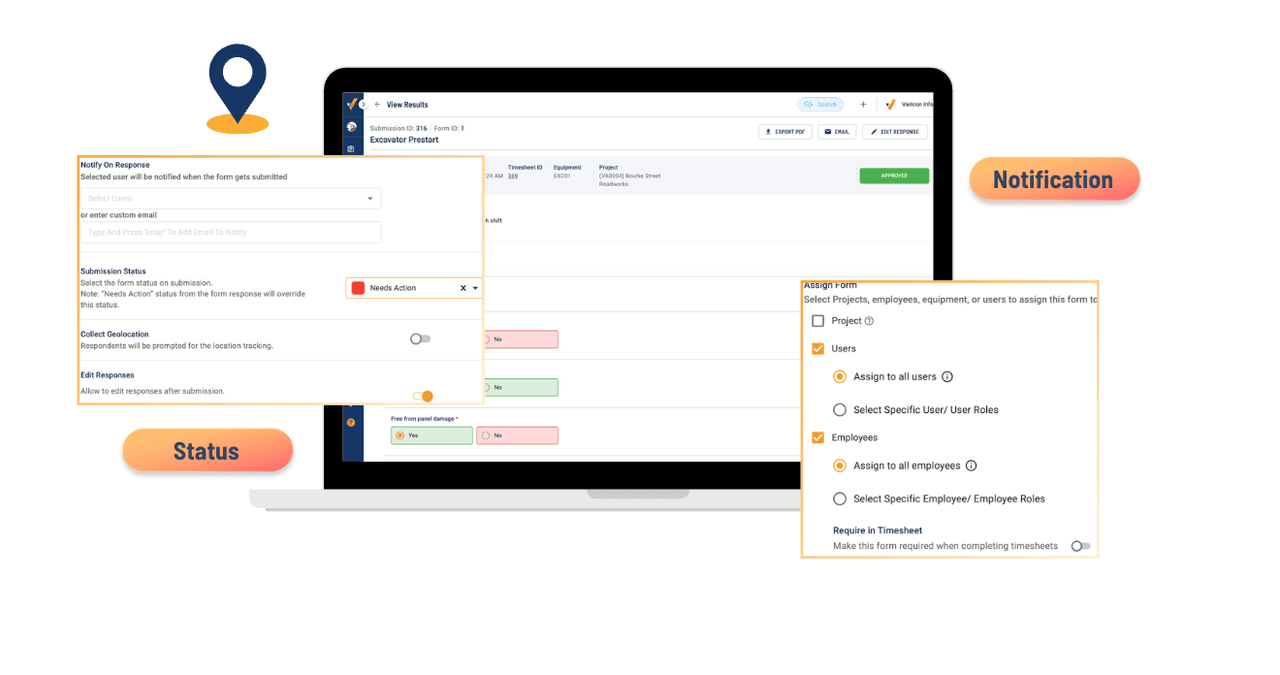
Standard forms mean the same things are checked every time, on every site. Set up your prestarts, toolbox talks, SWMS and inspections once, and assign each form to the projects, people or equipment it applies to.
Step 3: make the essential forms compulsory
Decide which forms must be done before work starts, such as a daily prestart, and make them required. Tying them to timesheets means they are done as part of the crew’s day, not chased afterwards.
Step 4: capture who, where and when
Record signatures, with several on one form for meetings such as toolbox talks. Record the location, date and time of every submission, so there is an audit trail behind each one.
Step 5: get forms to the right people
Send completed forms to the people who need to act on them. Set notifications for answers that need follow-up, such as a failed prestart or a reported hazard.
Step 6: keep records easy to find
Group forms with tags so they are quick to find, and keep them with the job. Be able to produce a PDF of any submission when a client, an auditor or a regulator asks.