Software and technology
Why civil construction companies should consider cost management technology
- Published
- Reading time
- 2 min read
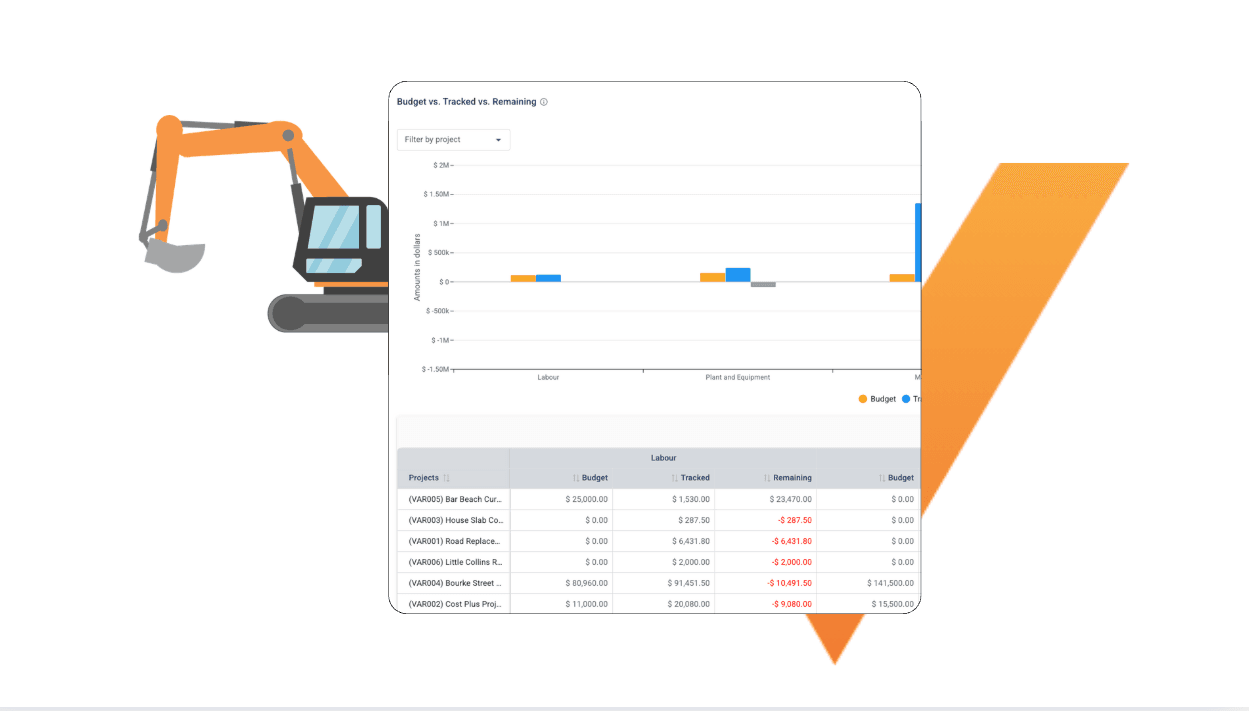
Margins are thin. Good workers are in high demand. Spreadsheets are slow and error-prone.
Every civil project needs to be delivered accurately, on time and on budget. Cost management tools help you do that. This article covers why civil contractors are moving their cost management off spreadsheets, and what they get from it.
Civil projects have a lot of moving parts
A civil job involves many tasks, people and resources. From planning and design through to delivery, each phase needs close oversight to protect both quality and cost.
Traditional cost management relies on manual data entry and spreadsheets. That often falls short on a modern civil project. Cost management software brings costs, budgets and spending into one place, so you spend less time collecting numbers and more time acting on them.
Six reasons to make the switch
- Accuracy. Calculations done by the system cut the risk of human error, so budgets hold and differences are picked up quickly. In civil work, a small miscalculation can lead to a large financial setback and a delayed job.
- Earlier warnings. When costs are recorded as the job runs, project managers see changes sooner. They can adjust early and deal with risks before they grow. With tight deadlines and slim margins, being able to react quickly is a real advantage.
- Better use of resources. A clear view of where money is going shows you where to adjust. You can stop overspending in one area and move resources to the areas that need them.
- Working together. Civil projects involve labourers, contractors, suppliers and more. A shared system gives everyone the same numbers, which means fewer misunderstandings and disputes.
- Staying competitive. Contractors who adopt better tools gain an edge. Records from finished jobs help you spot trends, anticipate problems and price future work with more confidence.
- Transparency. Clients, including tier 1 and tier 2 contractors, increasingly expect transparency on costs. Tracking and reporting costs accurately builds trust and credibility with them, without adding to your workload.
The bottom line
Cost management technology is not just a modernisation trend. It helps civil contractors stay accurate, react sooner, use resources well, work together and stay competitive. As the industry changes, the contractors who adopt the right tools will be best placed to win and deliver work.
If you want to see how Varicon helps you see where you stand on every job, book a demo.