Running a civil business
Going from employee to owner in civil construction
- Published
- Reading time
- 5 min read
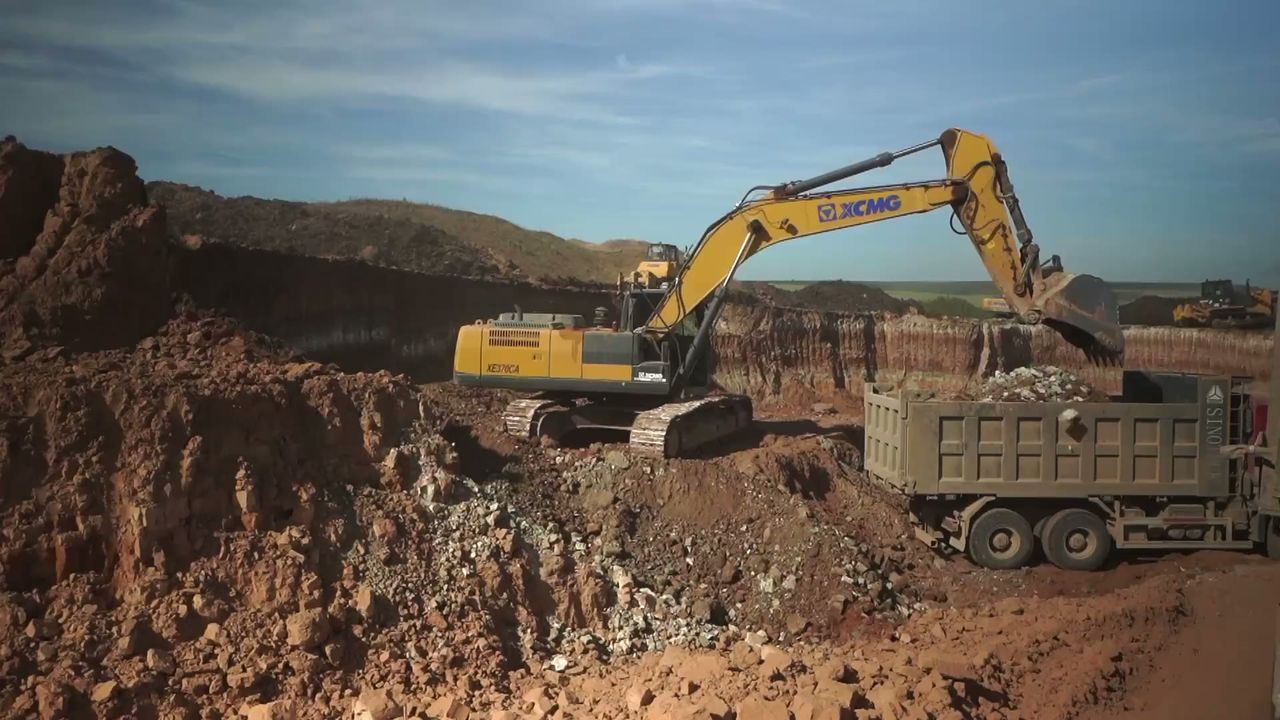
Many of the most successful civil businesses we work with were started by people who first worked for someone else, as an operator, supervisor or project manager.
Making the move means learning some new skills. With the right mindset, it is absolutely doable.
Is owning a business for you?
Starting your own business is not for everyone. For most people, staying an employee is the better option.
As an owner, the buck stops with you. You do not switch off at the end of the day, and you take on personal risk an employee never deals with. You cannot count on a regular income every week, and you often make big sacrifices for the long-term good of the business. If that sounds like too high a price, think hard about whether starting a civil business is right for you.
There are upsides too. You work on your own terms and, if you run the business well, the rewards can be significant. It is satisfying to build something from scratch, give people opportunities and reach your own potential.
Have a plan
Either you decide which direction your business goes, or other people decide for you. There is no single right answer, it depends on what you want from your business and your life. Things to consider:
- Your ambitions. Do you want to stay small, serve a few customers and stay on the tools, or build a big business and lead in your area?
- Your circumstances. Do you have personal obligations, such as a mortgage or family commitments, that limit the risk you can take on?
- Your risk tolerance. Will you accept more risk to grow larger and faster, or would you rather grow slower with less risk?
- The work you want. Is there a type of civil project you enjoy or are especially qualified for?
Make sure you are covered
Do not forget the basics when you start:
- Cover all your legal and customer requirements before you take on work.
- Get properly insured, including public and professional liability, workers compensation, and plant and equipment.
- Hold all the certificates and inductions you need.
Start small
If you are ambitious, it is tempting to go all in. Starting small cuts your exposure. You will learn a lot early on, and you will probably change your business model along the way.
Practical steps:
- Go after smaller jobs, or subcontracts to larger civil contractors. If a job does not go to plan, the downside is limited.
- Hire equipment rather than buying it upfront. You are unlikely to have a steady pipeline at the start, and you can return hired gear when you no longer need it.
- Start with subcontract labourers on ABNs. You pay a bit more per hour, but you do not take on the obligations that come with employees.
- Prefer dayworks or time and disbursements work over fixed-price contracts. Margins may be lower, but so is your risk.
Use your unique skills
If you are especially skilled in a niche, that is a great place to start. Big businesses run on volume, but at the start you only need enough work to keep going.
It is much easier to get a foot in the door in an area where you excel. It may feel backwards, but focusing on a smaller part of the market can win you more work.
Get your finances in order early
Poor financial discipline sends many civil businesses to the wall. You cannot wing financial management, but it does not need to be complicated. If you do not have these skills, talk to your accountant or financial adviser. This is something you can outsource early on.
You need to make a profit, and you also need to manage cash flow. If money comes in too slowly, you can run out of cash to cover your ongoing commitments.
Have a simple sales and marketing plan
You will not win work if nobody knows about you. This is where many new civil businesses fall down, and it does not need to be complicated.
Your plan will follow from how you want to run the business. Things to consider:
- Get your prequalifications sorted for every organisation you want to work for, such as head contractors, local and state government, utilities and property developers. Check their websites or ask them directly.
- If you want to respond to tenders, sign up to receive them through state and territory e-tendering platforms and private tender portals.
- Build relationships, especially with smaller property developers and head contractors. Drop by regularly or give them a call.
- Later, you might engage a marketing agency, use sales software or hire a salesperson. These are probably not needed at the start.
- Think about other ways to make yourself known. You can get creative here.
Read our tips for managing tenders when you start bidding.
Get a mentor
You do not need to go it alone. A mentor can spot gaps you need to fix and act as a sounding board for big decisions.
A mentor could be a business consultant, or the owner of a successful civil business who is willing to help you get started. Successful owners are often happy to help new starters, because someone helped them. You just need to ask.
Get the right systems in place
Without the right systems early on, cracks soon show in your business. Keep it simple.
To start with, we recommend:
- document storage and email
- accounting software, such as Xero or MYOB AccountRight, the most popular choices among small civil contractors
- construction management software, such as Varicon.
As you grow, you may add estimating software and a sales and quoting system.
Takeaways
Starting a civil construction business is not for everyone. If it is something you want and you have the skills to deliver civil projects, it is absolutely doable.
Limit your risk, get the right support and put good systems in place, and you can set yourself up for a long and rewarding future as an owner.
If you want to put the right systems in place from the start, talk to us about how Varicon can help.
This article is general information only and is not financial, legal or business advice. Starting a civil construction business involves risk and needs careful planning and professional guidance. We strongly suggest you get advice from a qualified accountant, financial adviser or business consultant before making any decisions.